


What Is Feeding Bag
A feeding bag is a medical device designed to provide liquid nutrition to patients who are unable to eat or drink properly. It is a sterile plastic bag filled with a nutritious formula, usually consisting of proteins, carbohydrates, fats, vitamins, and minerals. A long tube is attached to the feeding pouch that passes through the nose or mouth into the stomach, where the formula is released slowly and continuously. Feeding bags are commonly used in hospitals and nursing facilities to treat patients with conditions such as malnutrition, difficulty swallowing, or gastrointestinal disorders.
Benefits of Feeding Bag
Controlled feeding
Patient feeding bags can help regulate the flow of nutrients to a patient, which can be particularly helpful for individuals with limited mobility or who are unable to feed themselves.
Accurate measurement
Feeding bags often come with markings, so it’s easier for healthcare providers to measure the exact amount of food being administered to the patient.
Hygienic
Patients with weak immune systems are particularly susceptible to infections. Patient feeding bags are designed to prevent contamination and exposure to harmful bacteria, ensuring patient safety and comfort.
Convenient
Patient feeding bags can be easily carried or transported, which makes it easier to provide patients with consistent nutrition even while on-the-go.
Reduced risks
These feeding bags are sterile and disposable. This reduces the risk of infection from the toxins produced by bacteria. Because feeding bags are disposable, there is no need for cleaning and sterilization.
Ease of use
Using a feeding bag is much more convenient compared to traditional methods of feeding a patient. It takes less time and the connection is straightforward.
-

Disposable Enternal Feeding Bag
Perfect quality system and advance equipment insure thestability of our products.Our products are
Add to Inquiry


Quality control:
We have built a professional QC team to accurately inspect every raw material and every process of production.
Professional team:
Our professional team collaborate and communicate effectively with one another, and are committed to delivering high-quality results. They are capable of handling complex challenges and projects that require their specialized expertise and experience.
Customized services:
We understand that each customer has unique manufacturing needs. That’ s why we offer customization options to cater to your specific requirements.
One stop solution:
From the begining inquiry and throughout the entire process until you receive the goods. we are dedicated to supporting you every step of the way.
Gravity feeding bags
Gravity feeding bags are safe, portable, and easy to use, and can be filled with different types of fluids depending on the patient's needs. Gravity feeding bags are commonly used in hospitals, clinics, and in-home care settings to provide nutrition, hydration, and medication to patients who are unable to swallow or digest food and liquids by mouth.
Enteral feeding bags
Enteral feeding bags are medical devices that are used to deliver nutrition support to patients who cannot consume food or liquids normally through their mouth. They are designed to deliver a predetermined amount of liquid feed or formula into the patient’s stomach or small intestine, depending on the type of feeding tube used.
Irrigation bags
Irrigation bags are specialized bags designed to hold water and transport it to plants for irrigation purposes. They are an efficient way to provide water to multiple plants at once without the need for plumbing or water hoses. These bags are typically made of durable materials like PVC or nylon and have a capacity ranging from 10 to 20 gallons.
Parenteral nutrition bags
Parenteral nutrition bags are medical devices used to administer nutrition intravenously (through the veins) to individuals who cannot consume food or absorb nutrients through the digestive system. These bags contain a mixture of nutrients, including carbohydrates, proteins, fats, vitamins, and minerals, that are tailored to meet the specific needs of the patient.

Material of Feeding Bag
The material of a feeding bag can vary depending on the manufacturer and the specific use of the bag. Some common materials used for feeding bags include polyethylene, polypropylene, PVC, and nylon. These materials are all food-grade and safe for use in medical applications. The choice of material can impact the bag's durability, flexibility, and ability to resist chemicals. It is important to choose a feeding bag made from a suitable material for the intended use to ensure the safety and effectiveness of the product.
Enteral feeding
Enteral feeding is a method of delivering nutrition directly into the digestive system through a tube that is inserted through the nose, mouth, or abdomen. It is used when a person is unable to eat or drink enough to meet their nutritional needs, such as in cases of severe illness, injury, or surgery.
Nutritional support
Nutritional support refers to the provision of specific nutrients, such as proteins, carbohydrates, lipids, vitamins, and minerals, in adequate amounts, in order to meet the nutritional requirements of an individual. This support is provided to those who are unable to consume a balanced diet due to various medical conditions, such as cancer, gastrointestinal disorders, or malabsorption.
Tube feeding
Tube feeding, or enteral feeding, is a method of delivering nutrition through a tube directly into the stomach or small intestine. This is often necessary for individuals who are unable to swallow or are not getting enough nutrition by mouth.
Hydration
Hydration refers to the process of adding water or other fluids to the body to maintain proper hydration levels. The human body needs water to function normally, and dehydration occurs when the body loses more water than it takes in.
Craftsmanship of Feeding Bag
The craftsmanship of a feeding bag is essential to ensure that it is safe, reliable, and effective in delivering the necessary nutrients to the patient. The bag should be made of high-quality materials that can withstand the pressure of the liquid feed, ensuring that it does not rupture.Moreover, the bag should be designed in a way that minimizes the risk of contamination, as it can lead to infections and other complications. The feed should be dispensed at a steady and regulated rate to avoid overfeeding or underfeeding.

How to Choose a Feeding Bag?
Capacity
Consider the amount of fluid or nutrition that your patient requires.It is important to also consider the type of fluid or nutrition being administered when choosing a bag. Some bags may be more suitable for certain medications or solutions.
Compatibility
It is essential to ensure that the bag you select is compatible with the feeding pump or delivery system being used for your patient. Using incompatible products could result in complications, inadequate nutrition, and discomfort for the patient.
Sterility
Ensure that the feeding bag is sterile when used to avoid contamination and infection.
Durability
How to Maintain Feeding Bag
Check the feeding bag before use
Check the bag for any signs of damage or leaks before use, to ensure that the formula or medication is not accidentally spilled. Inspect the tube, connector, and clamp to ensure they are functioning properly.
Follow proper hygiene protocols
Always maintain good personal hygiene before handling the feeding bag or feeding the person. Wash your hands thoroughly before and after handling the bag and any attachments.
Store the solution properly
Store the formula or medication properly, according to the instructions, until it is time for the next feeding. This will ensure the feeding solution does not spoil or degrade.
Replace the bag when necessary
Over time, the feeding bag may show signs of wear and tear- this may include cracks, leaks or discoloration. Replace the bag immediately if you notice any damage.
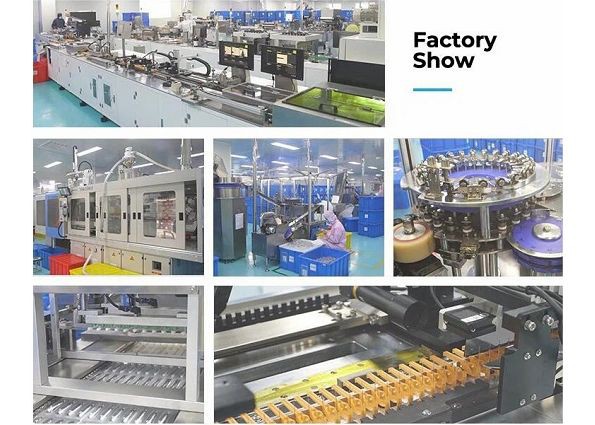
Our factory
Taizhou Sanxin Medical Technology Co., Ltd. is specialized drain bag,urine bag and festival lights manufacturer from the year 2011 to now. Owing a manufacturing area of 20000 square meters, the production ability is 3 million pieces per month. Our annual sales turnover is 10 million US dollars. We have exported to USA,Germany, Russia, Italy, Brazil, South Africa, Tanzania, Pakistan, and so on.The factory area is more then 20000 square meters and has more then 200 employees.

FAQ
As one of the most professional feeding bag manufacturers and suppliers in China, we're featured by quality products and low price. If you're going to wholesale bulk feeding bag for sale, welcome to get pricelist from our factory. Also, customized service is available.
backpack for feeding tube, pump bags, medical feeding bags