


What Is Oxygen Mask
An oxygen mask is a device that is connected to a cylinder of oxygen by means of a tube. It is placed over the nose and mouth of someone who is having difficulty in breathing in order to help them breathe more easily.An oxygen mask is a medical device. The mask fits over the nose and mouth, and is connected to an oxygen source such as a tank or concentrator which delivers a high flow of oxygen. Oxygen masks are used in hospitals, emergency rooms, and during air travel to provide supplemental oxygen to patients with respiratory problems.
Benefits of Oxygen Mask
Convenient and efficient
The oxygen mask is very easy to operate and ensures that the patient gets the oxygen he needs during breathing, thereby improving oxygen absorption efficiency.
Widely applicable
Oxygen masks are suitable for a variety of different types of patients, whether they are adults or children.
Reduce complications
Oxygen masks can reduce the occurrence of complications such as respiratory infections or pulmonary air embolism.
Increase in oxygen levels
Oxygen masks help increase the level of oxygen in the body, which is crucial during situations such as high altitude climbing, respiratory illness, or any situation where the individual is not receiving an adequate amount of oxygen.
Reduced risk of organ damage
When the body is not getting enough oxygen, it puts stress on the organs, especially the heart and lungs. An oxygen mask can help reduce the risk of damage to these vital organs.
Reduce patient panic and anxiety
In the case of difficulty breathing, patients often feel panic and uneasy, and using an oxygen mask can alleviate this emotion.
-

Made of medical grade PVC.. Medium concentration, Adjustable nost clip.. Available with 7' anti -
Add to Inquiry -
Medical Oxygen Mask with Reservoir Bag
Place of Origin: China. Brand Name: SANXIN. Model Number: ST-RE04. Disinfecting Type: OZONE
Add to Inquiry -
Medical Disposable Nebulizer Mask
Place of Origin: ZHEJIANG, China. Brand Name: SANXIN. Model Number: Infant/adult. Disinfecting
Add to Inquiry


Quality control:
We have built a professional QC team to accurately inspect every raw material and every process of production.
Professional team:
Our professional team collaborate and communicate effectively with one another, and are committed to delivering high-quality results. They are capable of handling complex challenges and projects that require their specialized expertise and experience.
Customized services:
We understand that each customer has unique manufacturing needs. That’ s why we offer customization options to cater to your specific requirements.
One stop solution:
From the begining inquiry and throughout the entire process until you receive the goods. we are dedicated to supporting you every step of the way.
Simple oxygen mask
Mainly used at first aid sites. It is generally connected to an oxygen cylinder and can provide high-concentration oxygen. However, since the mask is not sealed, the oxygen concentration is easily affected by the external environment and breathing rate, so it cannot be used for a long time.
Non-heavy duty oxygen mask
This mask is lightweight and flexible, suitable for use in homes, medical institutions, emergency vehicles and respiratory treatment centers. Its function is to assist the patient in providing sufficient oxygen when breathing to ensure that the patient does not have apnea.
Heavy-duty oxygen masks
Mainly used in hospital emergency rooms and intensive care units. Due to the mold design, the oxygen output of this type of mask can be adjusted, and it fits the patient's face well and is not prone to air leakage. This is used in situations where higher oxygen concentrations and more accurate respiratory composition are required.

Material of Oxygen Mask
Oxygen masks are usually made of soft, durable plastic. The inside of the mask is usually coated with soft silicone or rubber to ensure a snug fit on the patient's face, allowing for efficient oxygen delivery. Some advanced oxygen masks can also have clear plastic materials, allowing doctors or nurses to better observe the patient's breathing. Additionally, some masks can be adjusted to the patient's needs to ensure optimal ventilation.
Chronic obstructive pulmonary disease
Oxygen masks are often one of the treatments required by COPD patients. The disease causes difficulty in gas exchange in the lungs, preventing patients from getting enough oxygen. Oxygen masks can provide an additional supply of oxygen to help improve symptoms and quality of life.
Heart disease and stroke
Oxygen masks may also be used on people suffering from heart disease or stroke. These diseases often result in damage to the cardiopulmonary system, and patients may experience symptoms of hypoxia. Oxygen masks provide extra oxygen to keep the patient's body functioning properly.
Acute respiratory distress syndrome
ARDS is a serious lung disease that can cause lung tissue damage and difficulty breathing. In this case, oxygen masks are used to provide high concentrations of oxygen to help the patient breathe and ensure adequate oxygen supply.
Postoperative recovery and first aid
Oxygen masks are also often used in post-operative recovery and first aid treatments. In these situations, an oxygen mask can provide a steady supply of oxygen to help the patient recover.
Craftsmanship of Oxygen Mask
The craftsmanship of oxygen masks includes the selection and use of high-quality materials, such as medical-grade silicone or polyvinyl chloride (PVC). These materials are chemically stable, non-toxic, and can withstand high temperatures and pressures.It also includes the design and construction of the oxygen delivery system. The system typically includes a plastic or metal fitting that connects to a source of compressed oxygen. At the other end of the system, a small opening or nozzle delivers oxygen directly into the mask, where it can be inhaled by the patient.Attention to detail and precision in the manufacturing process are essential in creating a reliable and effective oxygen mask.
Mask
Usually a transparent and highly malleable material that can fit the face and effectively prevent oxygen leakage.
Straps
Used to secure the mask to the head, usually with adjustable buckles to accommodate different head sizes.
Oxygen tubing
The tubing that connects the mask to the oxygen tank, usually made of soft plastic and long enough to allow the patient to move freely during use.
Air inlet
The opening for oxygen inlet, usually located on the top or side of the mask. It is a device that can be turned on or off, allowing the operator to control the flow of oxygen.
Valve
A device that prevents excessive outflow of oxygen so that oxygen can only enter the mask from the air inlet.
Filter
Located at the air inlet, it can filter impurities and dust in the air to ensure the purity of oxygen.
Prevent damage from external force, avoid contact with sharp objects, and should be placed in a safe place. Different models of oxygen masks have specific application ranges and usage methods, which should be understood in detail before use. Avoid use in humid or high temperature environments. Check the seal of the mask frequently to avoid leaks. Carry out regular maintenance and repairs, check whether masks, hoses and other components are intact, and replace them if necessary. Regularly replace the filter in the mask and clean other parts to keep the mask clean and hygienic. When not in use, store the mask in a dry, ventilated place.
Size
Oxygen masks are available in different sizes. Choose the right size for the patient's comfort.
Flow
The flow of oxygen required will also determine the type of mask required. High-flow masks are designed for patients who require high oxygen levels, while low-flow masks are designed for patients who require lower oxygen levels.
Material
Oxygen masks are made of different materials, including silicone, PVC, latex. Choose materials that are comfortable for the patient and non-irritating.
Purpose
Whether it is for a medical emergency or for recreational high-altitude activities, the purpose will determine the type of face shield required.

Our factory
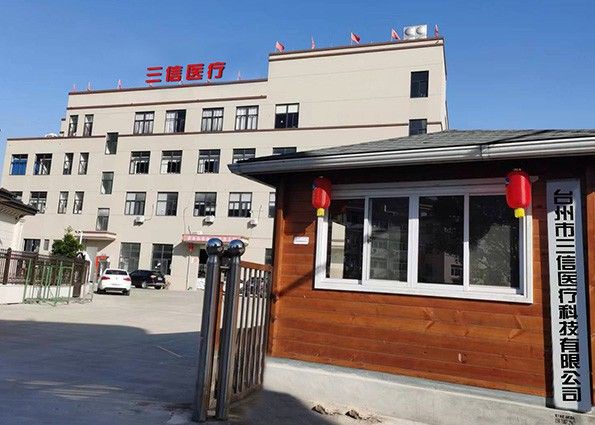
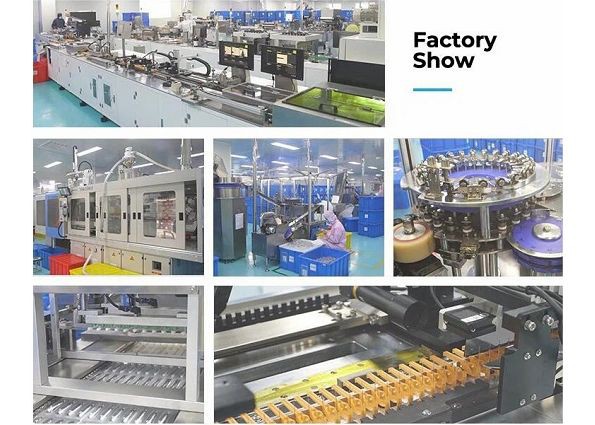
Taizhou Sanxin Medical Technology Co., Ltd. is specialized drain bag,urine bag and festival lights manufacturer from the year 2011 to now. Owing a manufacturing area of 20000 square meters, the production ability is 3 million pieces per month. Our annual sales turnover is 10 million US dollars. We have exported to USA,Germany, Russia, Italy, Brazil, South Africa, Tanzania, Pakistan, and so on.The factory area is more then 20000 square meters and has more then 200 employees.
FA
As one of the most professional oxygen mask manufacturers and suppliers in China, we're featured by quality products and low price. If you're going to wholesale bulk oxygen mask for sale, welcome to get pricelist from our factory. Also, customized service is available.
medical disposable nebulizer mask, medical oxygen mask with reservoir bag, oxygen mask